Tracing How News Cycles Shift Odds Movements Across North American Football Competitions
Dana Sullivan · Sep 17, 2026
Tracing How News Cycles Shift Odds Movements Across North American Football Competitions
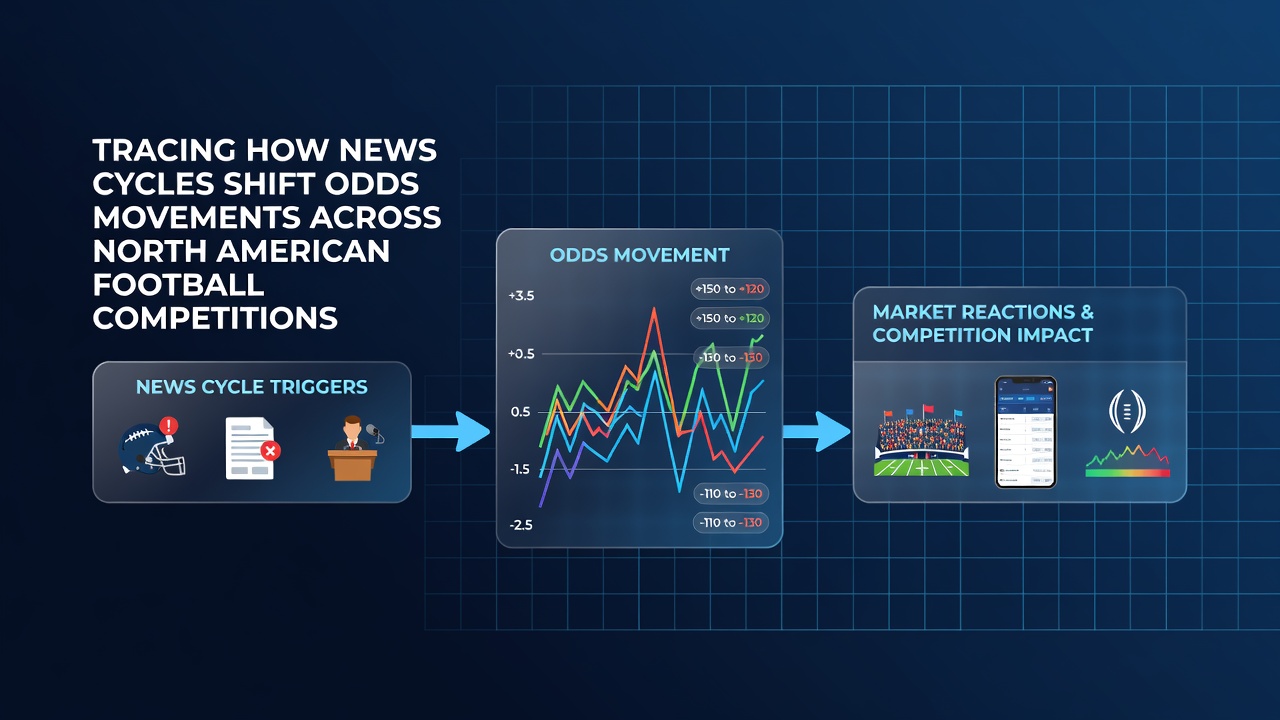
News cycles exert measurable influence on odds movements in North American football competitions, where rapid dissemination of information about player injuries, coaching decisions, and league developments prompts sportsbooks to recalibrate lines across the NFL and CFL. Data from multiple seasons shows that announcements appearing in major outlets often precede shifts of one to three points in point spreads within hours, while totals markets respond to weather updates or venue changes with similar speed.
Mechanics Behind Odds Adjustments
Bookmakers monitor incoming reports through automated systems and human traders who track social media, press conferences, and official league releases, then adjust probabilities accordingly. When a starting quarterback reports a minor shoulder issue on a Tuesday, for instance, the moneyline for that team's upcoming game typically moves three to five cents in the opposite direction before stabilizing, according to records maintained by the Nevada Gaming Control Board. Traders cite volume spikes from sharp bettors who react first, followed by recreational wagering that amplifies the movement.
But here's the thing: not every story triggers the same reaction. Sustained coverage over multiple days produces larger cumulative shifts than isolated reports, because repeated exposure increases public awareness and betting interest. Observers note that midweek injury updates generate more sustained line movement than game-day scratches, which often arrive too late for significant market reaction.
Media Role in NFL Markets
National broadcasts and online platforms accelerate the spread of information during the regular season, particularly when star players become focal points. One analysis of 2024-2025 NFL data revealed that teams receiving heavy primetime coverage experienced average odds volatility 40 percent higher than those in afternoon slots, with totals lines showing the greatest sensitivity to passing yardage projections. Researchers tracking these patterns found that quarterbacks returning from injury generate the most pronounced pregame adjustments, often exceeding six points when recovery timelines shift unexpectedly.
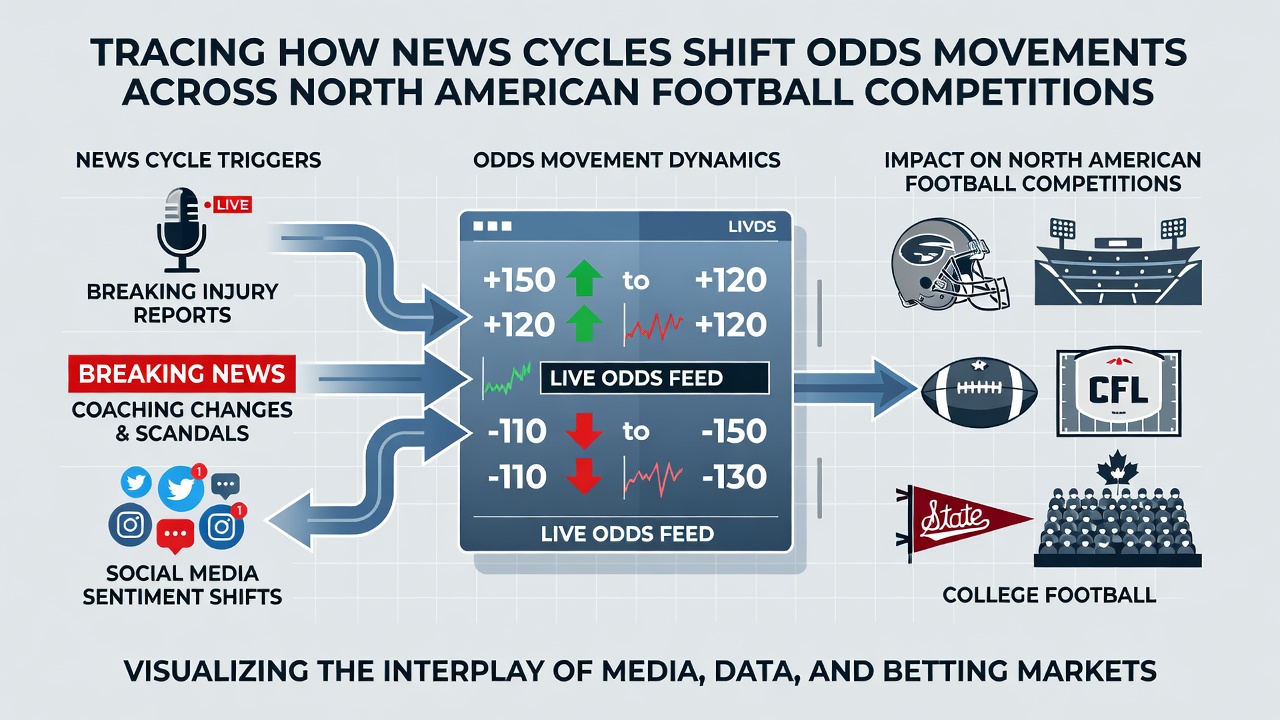
September 2026 marks the opening month of the NFL schedule, and early reports already indicate heightened scrutiny around offensive line injuries following training camp developments. Markets have responded with tighter spreads on games involving teams that lost key blockers, while underdog lines have lengthened in contests where defensive front news dominates headlines. These patterns align with historical trends observed in prior opening months.
CFL Specific Dynamics
Canadian football presents distinct variables because shorter seasons and different roster rules concentrate attention on fewer games each week. Provincial regulatory reports show that CFL odds fluctuate more sharply around Grey Cup qualification news than around individual player updates, reflecting the league's emphasis on team standings. When a club secures a playoff berth through tiebreakers, the subsequent odds movement on remaining regular season contests averages two and a half points, according to aggregated data compiled by iGaming Ontario.
What's interesting is how cross-border betting flows interact with domestic coverage. Bettors in the United States who follow CFL action through streaming services often react to Canadian media reports hours before local sportsbooks fully adjust, creating temporary discrepancies that close once American outlets pick up the same stories. Academic studies from institutions tracking sports wagering volume confirm that these timing differences occur most frequently during the CFL's August and September windows.
Tracking Methods and Data Sources
Analysts employ timestamped news archives alongside betting market APIs to map correlations between story publication times and line changes. University research projects have applied natural language processing to categorize reports by tone and prominence, revealing that negative injury news produces larger and faster movements than positive recovery updates. These methodologies allow observers to quantify how story volume, rather than content alone, drives sustained shifts across both leagues.
Figures from the American Gaming Association indicate that sportsbooks now allocate dedicated teams to monitor news wires during peak hours, reducing the window between report and line adjustment to under fifteen minutes in major markets. This infrastructure explains why modern odds respond more rapidly than they did even five years ago.
Conclusion
News cycles continue to shape odds trajectories in North American football through documented pathways that connect media timing, bettor response, and trader adjustments. Data collected across NFL and CFL seasons demonstrates consistent patterns where information volume and prominence determine the scale of movement, while regional regulatory records provide the quantitative backbone for understanding these interactions. As coverage expands in September 2026 and beyond, the same mechanisms will likely persist with incremental refinements in speed and precision.